Design
Oct 20, 2025
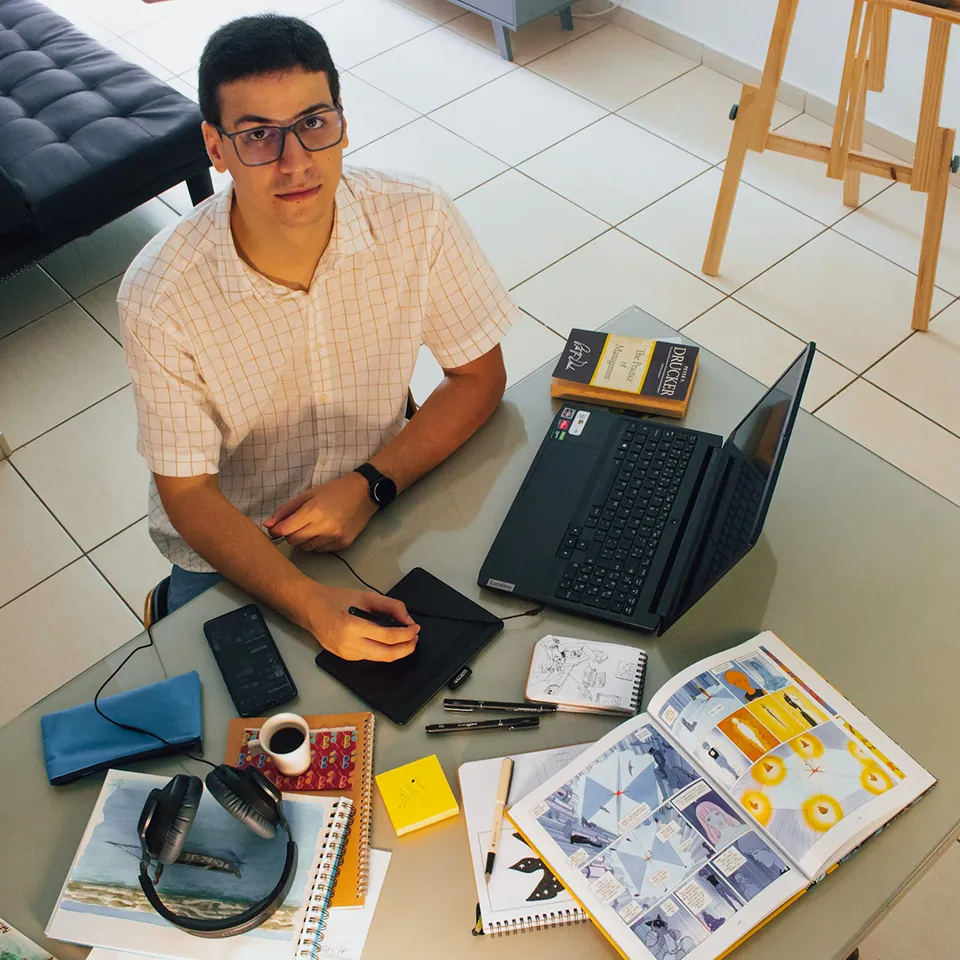
First things first, this is my first article on design, a letter to myself in the future, maybe. But more than that, an opportunity to start sharing after more than 10 years of experience that began with design internships during art college, which quickly hooked me and steered my career into the field of design. I can see that two main traits have guided me since the beginning, and they continue to shape my work today:
The desire to create systems that can reshape reality and make it better;
A natural inclination to launch ideas quickly and improve them over time.
Today, my work mainly focuses on UX design and Gamification.These areas are important to me because they seem like the perfect merge of what works well and what engages users. UX laws and their application set the stage for correct user guidance and cognitive ease. Gamification, or even better, Human-focused design, brings to table the WHY: it considers and infuses reasons for your audience to truly want to part of the experience.
When I combine these two disciplines, my focus shifts from simply “solving problems” to designing motivation. It’s not enough for a digital experience to be usable, it has to feel meaningful. This sense of meaning can be built both bottom-up and top-down, by considering each step in the journey alongside its overall narrative and storytelling. Picture your favorite brands: they likely offer not only great products and buying experiences, but also poetic, relatable brand stories and communication touchpoints. That’s where gamification principles come in: by integrating purpose, progress, and emotional triggers into UX, we can transform a passive journey into an engaging relationship.
In practice, this means I help teams and businesses build products and services that people don’t just use, but enjoy returning to. Whether it’s a digital product that guides users through complex decisions, or a website that tells a brand’s story through interaction, I approach every project as a system of motivations and a way to align user behavior with business goals through genuine engagement.
Looking ahead, this space between functionality and fascination is where I plan to keep experimenting and collaborating. I believe that when strategy meets playfulness and epic meaning, brands can connect with audiences on a deeper level. Instead of simply pushing harder for attention, they should focus on designing experiences that people want to be part of.
If you’re also exploring how to make your brand, product, or platform more engaging through human-focused design, this is a conversation I’d love to start.